Creating a Serene Water Garden: Techniques, Plants, and Practical Tips
Design a tranquil pond setting with British pond plants, water lilies, and thoughtful margins for wildlife and low maintenance beauty.
Open Water and Plant Fundamentals
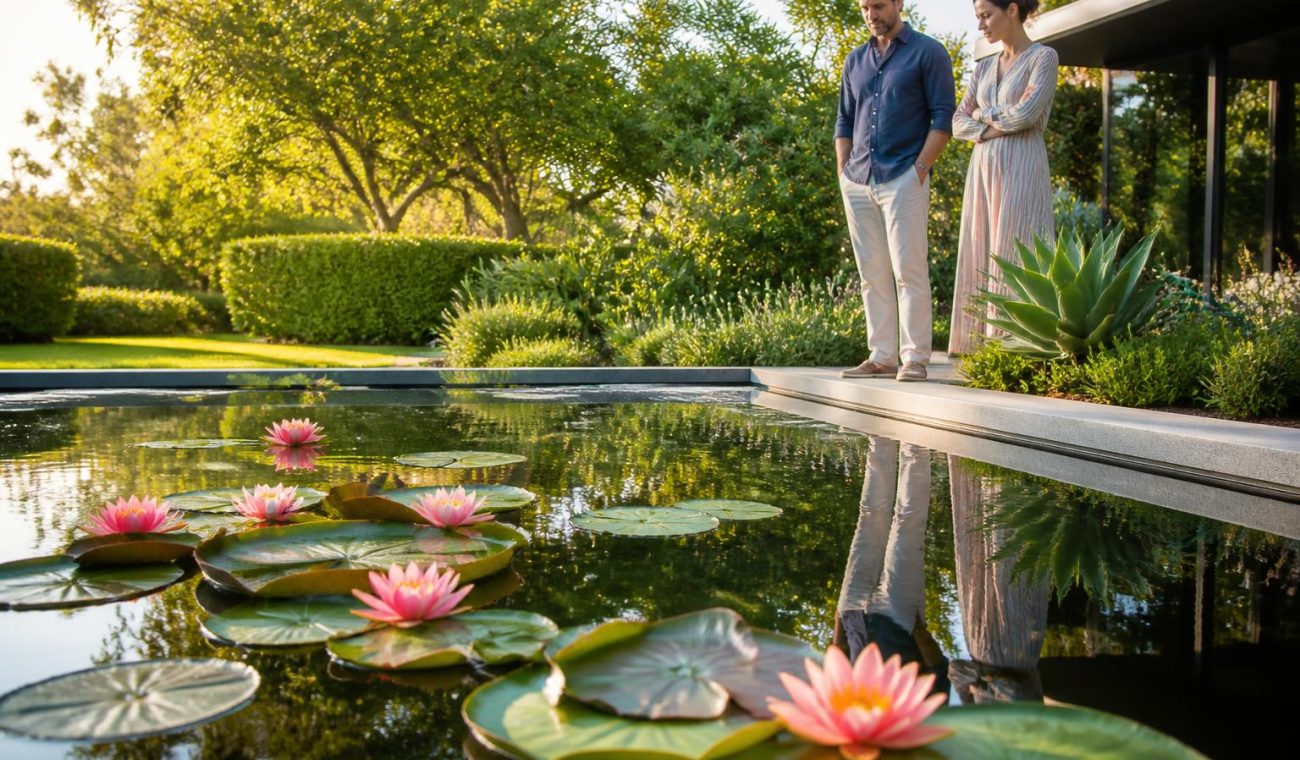
A pond’s charm begins with a balanced water body and carefully chosen plants. Start by evaluating depth, sunlight, and wind exposure to determine where to place marginal pond plants and water lilies for optimal growth. Incorporate a small island or shelving to showcase deeper water species while keeping edges accessible for maintenance; the right layout encourages year‑round interest and reduces algae buildup. Pond Plants are the cornerstone of this balance, providing structure and color throughout seasons.
Choosing British pond plants ensures compatibility with local weather and pest pressures, which translates to healthier growth and easier care. Opt for a mix of sturdy marginal varieties and top‑water bloomers to create layered interest that remains resilient after frosts and heat waves. Regular checks of oxygen levels and filtration help protect aquatic life while you observe graceful leaf patterns and subtle scent cues from emerged foliage.
Soil, Substrate, and Water Quality
Layering substrate at the pond bottom supports root systems for both water lilies and margin plants, enhancing stability and nutrient access. Use a nutrient-rich medium beneath a top layer of loam or heavy clay to maintain clarity and reduce sediment suspension. A well‑designed filter system, combined with gentle aeration, supports a thriving ecosystem that sustains vibrant foliage without overpowering the water’s natural movement.
Regular testing of pH, nitrate, and phosphate levels helps prevent algae blooms and keeps plant growth robust. Introduce slow‑releasing fertilizers specifically formulated for aquatic plants, applying sparingly to avoid sudden surges in growth. Marginal pond plants will shoot new shoots along the banks, while water lilies send more expansive leaves toward the surface, creating a balanced silhouette across the pond’s surface area.
Water Lilies: Structure and Care
Water lilies form the focal point of many ponds, offering architectural leaves that float serenely while providing shade for underwater habitats. Choose varieties tuned to your climate, with sturdier petals and waxy surfaces that resist mid‑season heat stress. Plant rhizomes in baskets at appropriate depths, ensuring they have room to spread and avoid crowding with adjacent marginal plants.
Seasonal pruning of spent blooms and yellowing leaves keeps water lilies tidy and encourages continued flowering. In late winter, divide congested rhizomes to maintain vigor, and monitor flower stalks for signs of disease or mineral buildup. By maintaining a consistent light cycle and avoiding root competition, you’ll enjoy a long, colorful display that anchors the pond’s aesthetic as borders of shimmering greenery.
Marginal Pond Plants: Edging and Habitat
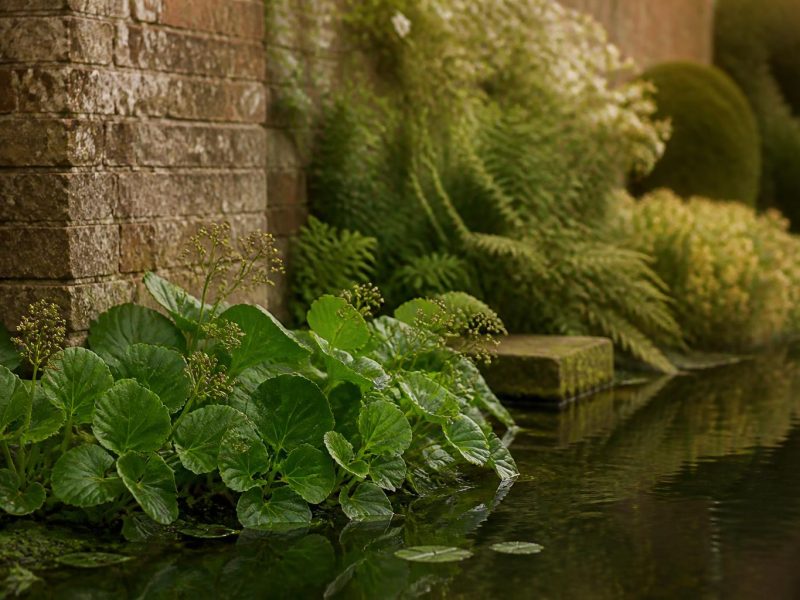
Marginal pond plants soften edges and create habitats for aquatic insects and small wildlife. Select varieties with varied leaf textures—ribbonlike grasses, rounded hostas, and upright reeds—to form layered borders that catch morning dew and reflect late‑afternoon sun. Planting in shallow troughs or near the bank helps prevent erosion while providing steady moisture for roots and stolons.
Edge stability benefits from periodic trimming of overgrown shoots that encroach on water lilies’ space. Choose compact cultivars for tight spaces and those with robust drought tolerance to bridge seasonal moisture fluctuations. The visual payoff is a lush, living frame that highlights water’s reflective surface and invites closer observation of insect life that visits the margins.
Water Quality and Algae Management
A healthy pond relies on a balanced nutrient load and clear water, where beneficial bacteria and natural filtration work in concert with plant uptake. Introduce a program that combines mechanical filtration with biological media, allowing beneficial microbes to break down organic waste. A shaded zone with floating plants reduces light penetration, limiting algae growth while preserving a crisp, glassy surface on sunny days.
Regular debris removal and mindful feeding practices prevent nutrient spikes that feed unwanted algae. Consider integrating floating plants that cast dappled shade and provide cover for tadpoles and small fish, ensuring the ecosystem stays in check without harsh chemical interventions. The result is a calm, inviting pool of water that mirrors the surrounding garden hues.
Seasonal Maintenance and Habitat Health
Seasonal routines keep ponds resilient through cold snaps and heat waves alike. In spring, assess plant vigor, prune dead growth, and replant any marginal pond plants that have migrated beyond their preferred zones. Create a maintenance calendar that includes weekly skimming, monthly filter checks, and biannual substrate renewal to support long‑term stability and clear water year after year.
Autumn requires extra attention to leaf fall and nutrient cycling; rake leaves promptly to prevent anaerobic decay at the bottom. Winterize pumps and protect sensitive specimens with mulch or protective covers where frost risk is highest. A well‑planned seasonal schedule reduces stress on wildlife and promotes steady growth for both water lilies and edges, maintaining a tranquil, cohesive garden scene.
Design Cohesion: Color, Texture, and Scale
Designing a cohesive pond landscape means orchestrating color, texture, and scale across aquatic and terrestrial elements. Choose a color palette that balances deep greens with pops of flower color, ensuring water lilies and marginal plants complement nearby blossoms and foliage. Consider the garden’s overall rhythm; place taller species near the back or center and lower, spreading forms toward the front to create depth and inviting lines for viewing from multiple angles.
Texture variation strengthens visual interest: glossy lily leaves contrasted with matte, grassy margins, plus rounded pebbles along the edge. Integrate ornaments sparingly to avoid overpowering natural plant forms. With thoughtful placement and regular attention, even a compact pond becomes a central, living feature that anchors the garden’s seasonal storytelling without overwhelming the surrounding spaces.