Creating a Tranquil Water Garden: A Practical Guide to Pond Plants and Submerged Beauties
Discover practical steps for building a thriving water garden, from choosing pond plants to arranging margins and lilies for year-round interest.
Designing a Water Garden Space
A well-planned pond area becomes a focal point in any garden, inviting quiet reflection and wildlife observation. Start by selecting a size that suits your plot and maintenance capacity, then map out zones for sun and shade to accommodate a range of pond plants. Place shelves or ledges along the margins to support depth changes without crowding the water’s surface, ensuring airflow and light reach all planted areas. Pond Plants are a vital next step, offering visual variety and ecological balance for beginners and seasoned gardeners alike.
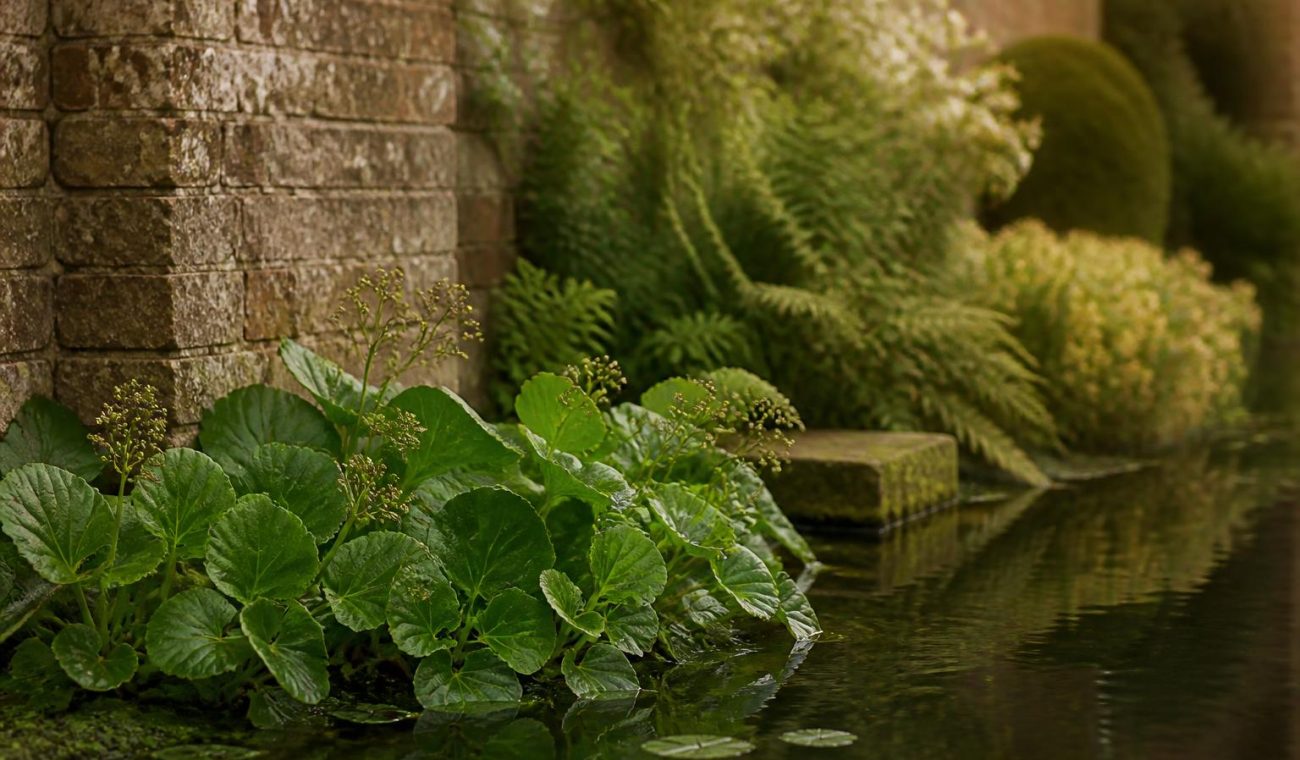
Think about the surrounding hardscape and planting pockets that will frame the water feature. Use evergreen grasses and low shrubs on the periphery to soften the edges while keeping sightlines open for birds and insects. Consider stability for windy locations by anchoring edges with rocks or brickwork and choosing pots with adequate drainage. A thoughtful outline keeps the space serene rather than cluttered, enhancing the experience of british pond plants throughout the seasons.
Choosing the Right Water Features
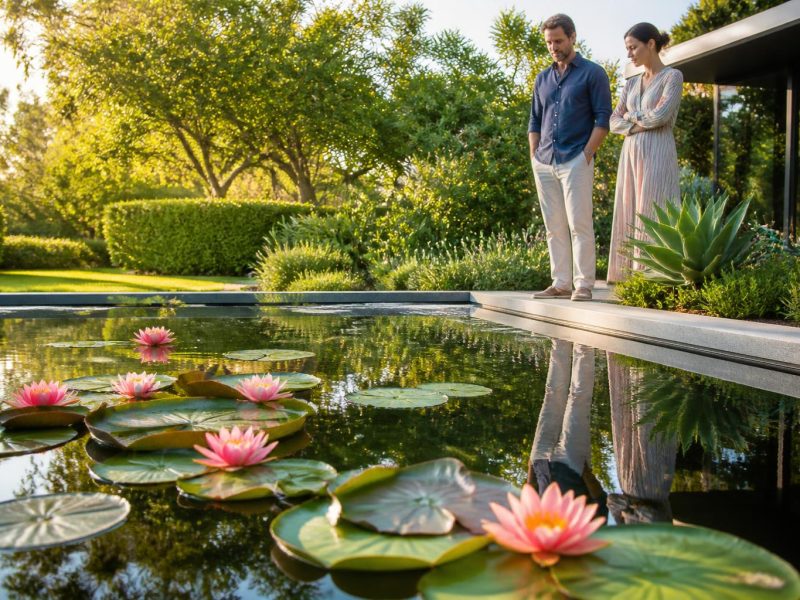
Water features should complement the garden’s style, whether a formal bowl, a naturalistic pond, or a kinetic fountain. For depth, plan a shallow shelf near the margins to support marginal pond plants, allowing emergent growth to break the surface without obstructing viewing lines. Deeper zones accommodate water lilies and other submerged plants, creating a layered look that catches sunlight and casts gentle reflections across the lawn.
Consider filtration and aeration as essential design elements rather than afterthoughts. A circulating pump keeps water clear and oxygenated, supporting a healthy microcosm beneath the surface. Submerged plants contribute to water quality by using nutrients that would otherwise fuel algae. With careful placement, you gain a dynamic feature that supports wildlife and reduces maintenance over time.
Selection of Pond Plants for Beginners
Begin with a balanced mix of aquatic and marginal plants to establish structure and color. Water lilies provide dramatic, upward-facing leaves and blooms that rise above the surface, while marginal pond plants fill the near-bank zone with lush foliage. Choose varieties known for easy care and robust growth, such as hardy water lilies that tolerate your climate and propagate slowly enough to control naturally over several seasons.
Plant arrangement matters: cluster lilies where their roots are stable and sunlight reaches their foliage; place marginal plants along the edges to soften edges and deter algal growth with shading. Regularly check that plant rhizomes have space to expand, avoid overcrowding, and prune spent foliage to keep the display tidy. This approach yields a canal of color that changes with the season and supports local wildlife.
Managing Water Quality and Clarity
Healthy water relies on balanced nutrients, mechanical filtration, and judicious plant choices. Create a gentle filtration loop that circulates water through a biological filter, allowing beneficial bacteria to thrive and break down waste. Use floating skimmers sparingly to remove surface debris without disturbing the habitat of shy aquatic creatures that dwell among the plants and in the deeper zones.
Seasonal adjustments matter: in spring, flush backlogged debris and reintroduce marginal pond plants where they can anchor the bank; in autumn, prune and tidy to prevent decay from clouding the water. A regular, modest schedule beats sporadic, heavy cleaning, keeping the ecosystem harmonious for water lilies and other aquatic species while reducing stress on aquatic life.
Overwintering and Seasonal Care
Winter readiness involves protecting delicate roots and ensuring a safe retreat for koi or other fish, if present. Move tender pots to a sheltered zone if you live in a frost-prone area, or insulate with a loose cover that allows airflow without trapping moisture. Marginal pond plants should be cut back to avoid rotting foliage that could damage the plant and water quality during the cold months.
In spring, refresh the bed by removing crusted debris and re-establishing plant spacing that supports new growth. Water lilies require sunlight and stable temperatures to bloom, so monitor pond depth and ensure that the lilies can push leaves upward without obstruction. With consistent, moderate attention, the pond will emerge vibrant and ready for the growing season, attracting pollinators and adding structure to the garden.
Maintenance Routines and Tools
Establish a straightforward maintenance cycle that sessions brief weekly checks and a more thorough monthly review of both plants and water chemistry. Keep a small set of tools handy: a soft rake for margins, pruning shears for dead growth, and a net to gently remove fallen leaves that accumulate along the banks. Regular pruning of aquatic and marginal plants prevents crowding, encouraging better airflow and light penetration to keep the display healthy.
Record any notable changes in plant vigor or water clarity to guide future plant choices and seasonal adjustments. A log helps you adapt quickly if a species is not thriving, enabling you to swap in more robust british pond plants or adjust the mix of lilies and marginals. Consistent care reduces stress on the ecosystem and keeps your garden water feature looking pristine year after year.
Incorporating Wildlife and Biodiversity
Water features offer a haven for wildlife, from dragonflies skimming the surface to frogs seeking shade among marginal plants. Plant selections should include both nectar-rich varieties and sturdy, refuge-like foliage that supports insects and amphibians. A well-balanced mix creates microhabitats that encourage natural pest control and contribute to overall garden health without relying on chemical interventions.
Position features to invite birds and small mammals, using shaded corners and sheltered banks to provide safe roosting spots. A combination of water lilies, floating plants, and robust marginals yields a layered habitat that supports a diverse community, encouraging a rhythm of life that enhances the garden’s sensory appeal and ecological resilience. The result is a sanctuary that remains inviting through changing seasons and shifting weather patterns.