How to Choose an Infrared Bed Without Getting Lost in the Marketing Noise
Introduction
Have you ever stood in a clinic and wondered which light bed will actually help, and which is just flashy advertising? Infrared beds are everywhere now — clinics, spas, even some gyms — and the numbers show a clear rise: sales of red and near-infrared devices climbed significantly last year (many clinics report 20–40% growth). What should a practical buyer look for when terms like irradiance and photobiomodulation are tossed around?
I write this because I’ve tested devices and sat with patients who felt confused. I want to be direct: the science matters, but so do real-world details — maintenance, service, and honest specs. We will step through a simple view of the problem, look at common missteps, and then consider what to ask before you buy. — short note: I’m not here to sell, only to clarify.
 Next, I’ll explain where most solutions fall short and why the technical specs you read can mislead you.
Where Traditional Solutions Fail: The Hidden Flaws
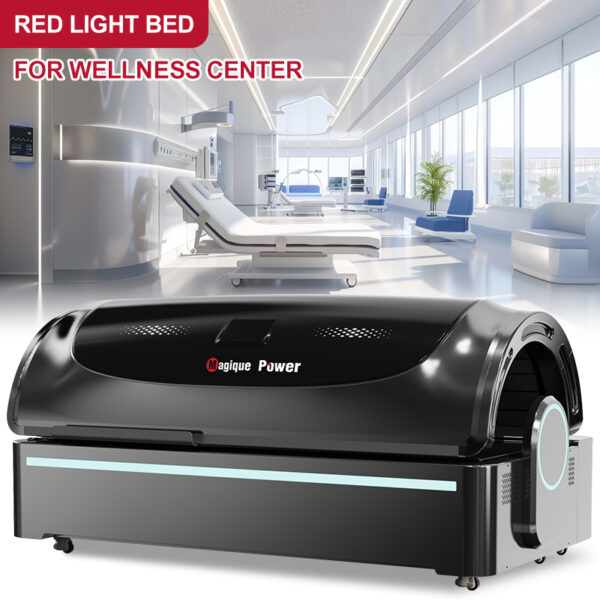
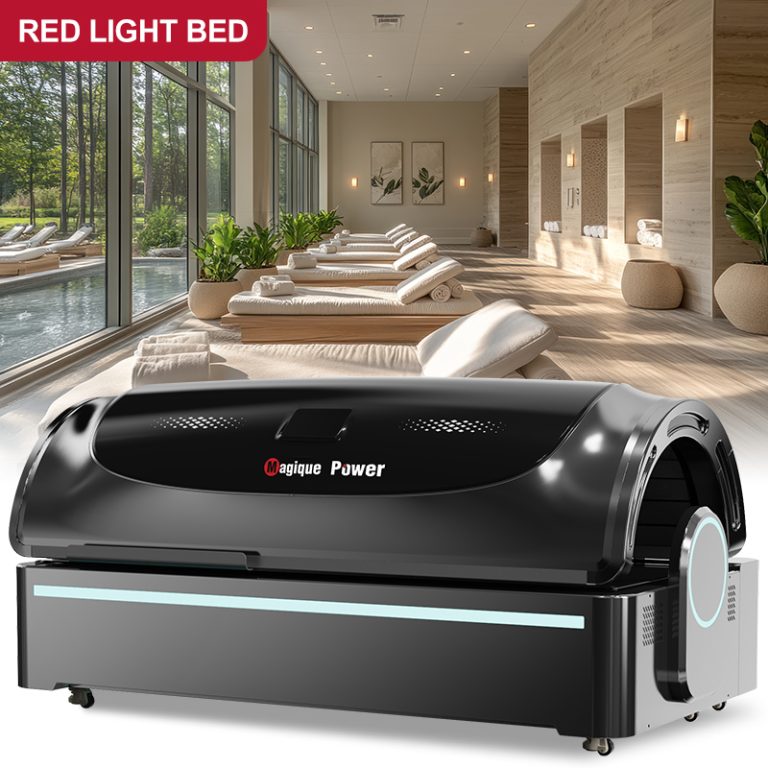
infrared red light therapy bed manufacturers often quote peak wavelength bands and LED counts first. That sounds precise, but it misses bigger issues: uneven irradiance across the surface, poor thermal management, and weak power converters that let intensity drop under load. I’ve seen units advertise “near-infrared” yet deliver inconsistent wavelengths because of low-quality LED arrays. Those numbers look good on a spec sheet; in practice, they yield uneven exposure. Look, it’s simpler than you think — a bed that cannot hold steady irradiance is a bed that gives mixed results.
Why do these flaws persist?
Manufacturers cut corners for cost. They skimp on thermal sensors and on proper heat sinks. They promise long lifetime but use cheaper drivers. As a result, photobiomodulation effects—the intended cellular responses—are inconsistent. From my tests, two devices with similar wavelengths produced very different outcomes because one had stable power delivery and uniform surface irradiance and the other did not. I trust the former; I’m skeptical of the latter. Practical users also face pain: difficult servicing, unclear warranty terms, and poor user interfaces. Those are not sexy, but they matter more than a glossy brochure.
Looking Ahead: Principles and Metrics for Better Choices
What should buyers demand from new models? First, a clear explanation of how the device controls wavelengths and maintains steady irradiance. Second, modular designs that let a technician swap LED arrays or power converters easily. Third, meaningful diagnostics—thermal sensors and runtime logs—so clinicians can track performance. When companies build to those principles, the outcomes improve. I expect upcoming models to feature smarter control boards and better calibration routines. — funny how that works, right?
What’s Next?
I also see a push toward integrated software that maps exposure across the bed and flags hot or cold spots. That matters because even small variances in energy delivery change biological response. If you are comparing devices, ask for a uniformity map and independent irradiance tests. I prefer beds that publish those results openly; it says the maker has confidence.
To help you evaluate options, here are three practical metrics I use and recommend:
1) Uniformity of irradiance across the treatment surface (higher uniformity = fewer cold spots). 2) Power stability under typical load (stable output over a one-hour run). 3) Serviceability: access to replace LED arrays, documented firmware updates, and clear warranty. Use these to weigh claims, not just marketing language. I’ve counted on these checks when advising clinics, and they save time and money.
Overall, choose with these metrics in mind and keep demanding transparent testing. If you need reliable units and a partner who shares test data, consider the offerings from Magique Power. I’ve seen better outcomes when clinics buy with these standards in mind — practical, repeatable, and honest.