Comparative Insight: Choosing the Right Laser Engraver Fume Extractor for Safer Workshops
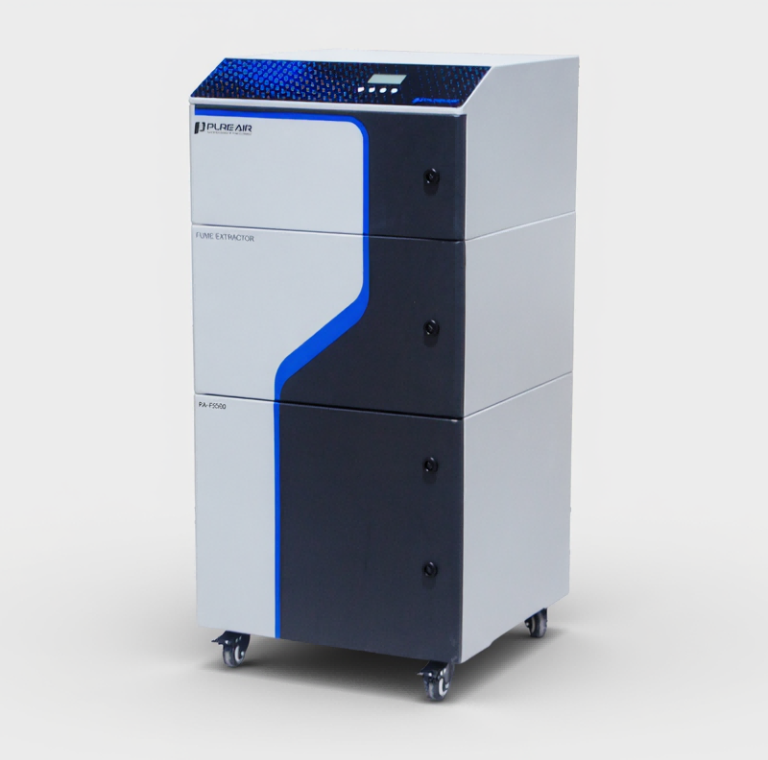
Introduction — What a fume extractor actually does
At its core, a fume extractor captures particles and gases from cutting or engraving processes and prevents them from entering the room. A laser engraver fume extractor sits above or beside the work area and removes smoke, volatile organic compounds (VOCs) and fine particulates (PM2.5) as they form. Imagine a busy small shop where three machines run all day, and a single operator breathes that air — studies show long-term exposure raises health and material risks. So: how do you pick a device that actually works for your space and materials? (I’ve been in too many shops where the loudest box won praise but did little for air quality.) This piece will walk through what usually fails, what users quietly struggle with, and what new principles make a real difference. Next, I’ll compare common fixes and point to clearer choices.
Traditional solution flaws and hidden user pain points
What's missing?
I’ll be blunt: many common extractors look good on paper but fail in practice. If you search for an air purifier for laser engraver, you’ll see specs—CFM, filter type, noise level—but those specs rarely translate to effective capture at the nozzle. You can have a high airflow rate but poor capture if the hood is wrong. I’ve watched shops buy gear that circulates air but leaves VOCs and ultrafine particles. HEPA filter labels get bandied about, and activated carbon is listed as a cure-all. In reality, filter loading, poor hood design, and weak suction at the source matter more than a fancy box. Look, it’s simpler than you think: if the smoke escapes before it reaches the intake, nothing else helps.
Hidden user pain points go beyond performance. Filters clog, filter change alerts are ignored, and maintenance is expensive. Operators tolerate noise and poor ergonomics because they think the extractor works — until someone notices smell or a sensitivity reaction. I’ve heard complaints about sparks damaging pre-filters, and about replacement costs for carbon or HEPA modules. VOCs and PM2.5 remain the silent culprits. In short, the typical checklist misses system-level design: hood capture efficiency, accessible filter maintenance, and true particulate plus gas removal. We need to judge systems by real-world capture, not by static specs alone.
New technology principles and a forward-looking comparison
What’s Next
Looking forward, better extractors blend classic filtration with smarter controls. Modern units pair HEPA and activated carbon stages with sensor-driven fans that adjust airflow (CFM) to match load. Some prototypes add UV-C sterilization to reduce microbial growth on filters. I expect more use of edge computing nodes for local control and simple dashboards that tell you when capture falls below target. These principles cut two ways: they improve performance and reduce wasted filter life. — funny how that works, right? I’m optimistic because these are practical, incremental changes rather than flashy promises.
When I compare options now, I evaluate three clear metrics that matter to me and to clients: 1) capture efficiency at the hood (measured, not claimed); 2) combined VOC and particulate removal (HEPA + activated carbon performance); and 3) lifecycle cost (filters, labor, downtime). A unit that nails these will be quieter, cheaper to run, and healthier in the long run. If you shop with those metrics, you’ll avoid many common traps. For hands-on shops, an air purifier for laser engraver that balances airflow, filtration stages, and serviceability is the sweet spot. In closing, weigh measured capture, gas and particle removal, and total cost; those three checks will guide you to better choices. For manufacturers and buyers alike, I recommend looking at real test data and service plans — and yes, test it in your space before you commit. For trusted solutions, consider brands like PURE-AIR.