Compact Hiking Tents: A Comparative Insight into Features That Drive Value
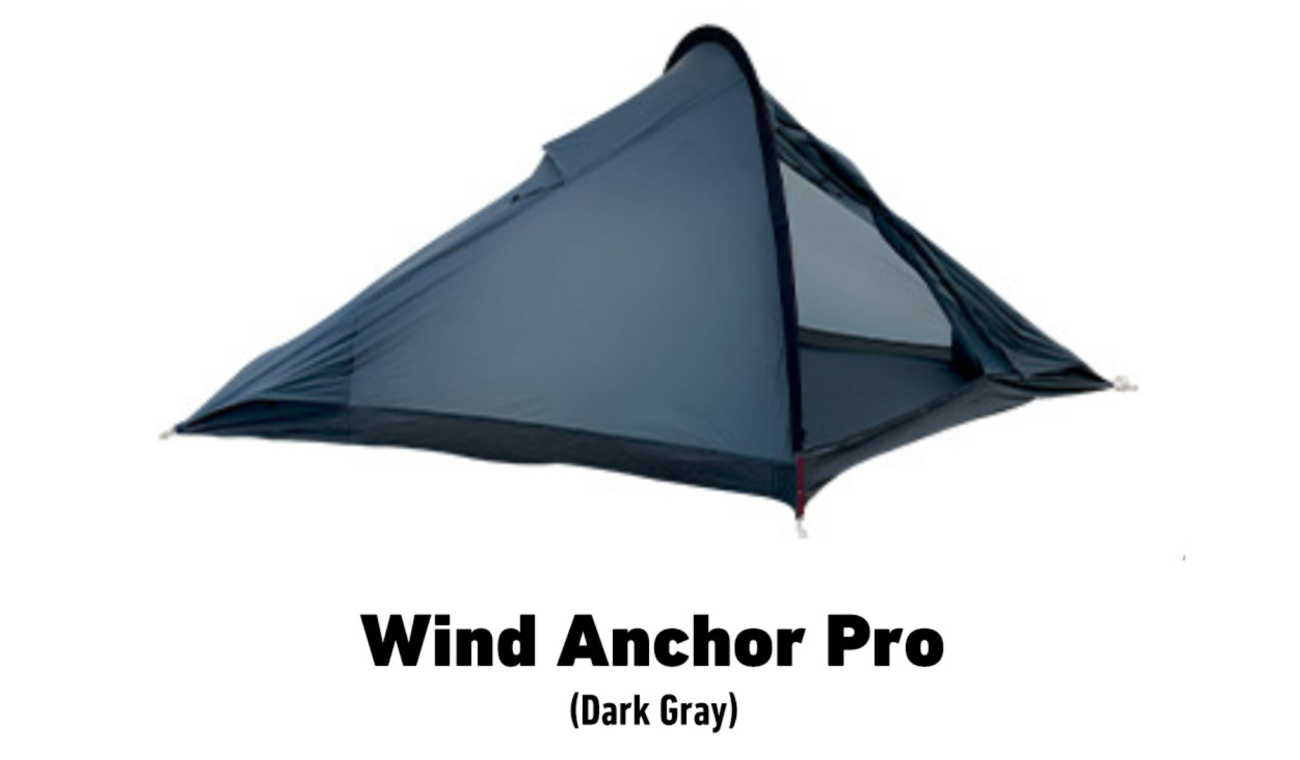
Opening comparative frame
Buyers decide between weight, space, and durability; that trade-off defines value. A compact hiking shelter that performs as a lightweight daypack item versus one that sacrifices grams for comfort has materially different cost implications for fleets and individual consumers alike. Early in field evaluations I contrasted a lightweight trekking tarp alongside a glam camping tent to illustrate how extra fabric translates into higher comfort but greater packing and transport cost. The rest of this piece compares core specs that change procurement outcomes and user experience—and identifies the levers you can control.
Feature sets that change procurement math
Weight-to-capacity ratio. Measure grams per sleeping berth rather than raw tent weight. A 2‑person tent at 1.6 kg has a different unit economics than a 1.6 kg solo shelter because the per-person cost and pack distribution differ. Packed volume. Cubic centimeters determine transport cost and rucksack fit; smaller volume improves mobility and reduces the need for larger external transport. Materials and coatings. Ripstop denier, silicone vs. polyurethane coatings, and pole alloy (aluminum 7000 vs. 6000 series) predict failure modes and repair complexity. Fast deployment systems and fewer connection points reduce time-on-task and, for guided operations, lower labor cost per overnight.
Cost metrics: acquisition and lifecycle
CapEx is not just sticker price. Factor in expected useful life, repairability, and warranty terms. A tent that costs 25% more but uses reinforced stress points and modular replacement parts can reduce total cost of ownership when used intensively. Calculate cost-per-night with realistic utilization rates (e.g., 50 nights/year over five years). Account for consumables—seam sealer, footprint replacement—and for frequency of professional seam repairs in a commercial program. Where weight savings are achieved by ultra-thin fabrics, include probability of failure in severe weather and likely replacement cadence.
Usability trade-offs and weather performance
Setup complexity has operational consequences. Freestanding hub designs speed setup but add poles and weight; trekking-pole tents save grams at the expense of bivouac flexibility. Ventilation and condensation control affect sleep quality; double-wall designs with ample vents reduce condensation risk in three-season use. Floor area and vestibule volume determine gear storage needs and wet-weather workflow. If your route includes high wind exposure, prioritize pole geometry and guyline layout over minimalism.
Alternatives and a common institutional anchor
Alternatives include ultralight single-wall shelters, two-person freestanding tents, and larger cabin configurations for basecamp use. For institutional buyers—university outdoor programs and large group events—the scalability and rapid setup of a 12‑person cabin tent have clear logistical advantages; think central mess and sleeping space for staff and participants, and consider the specific model like the 12 person cabin tent when basecamp efficiency matters. Common mistakes: specifying an ultralight model for guided groups without backup, ignoring vestibule volume for gear, and failing to budget for repair parts.
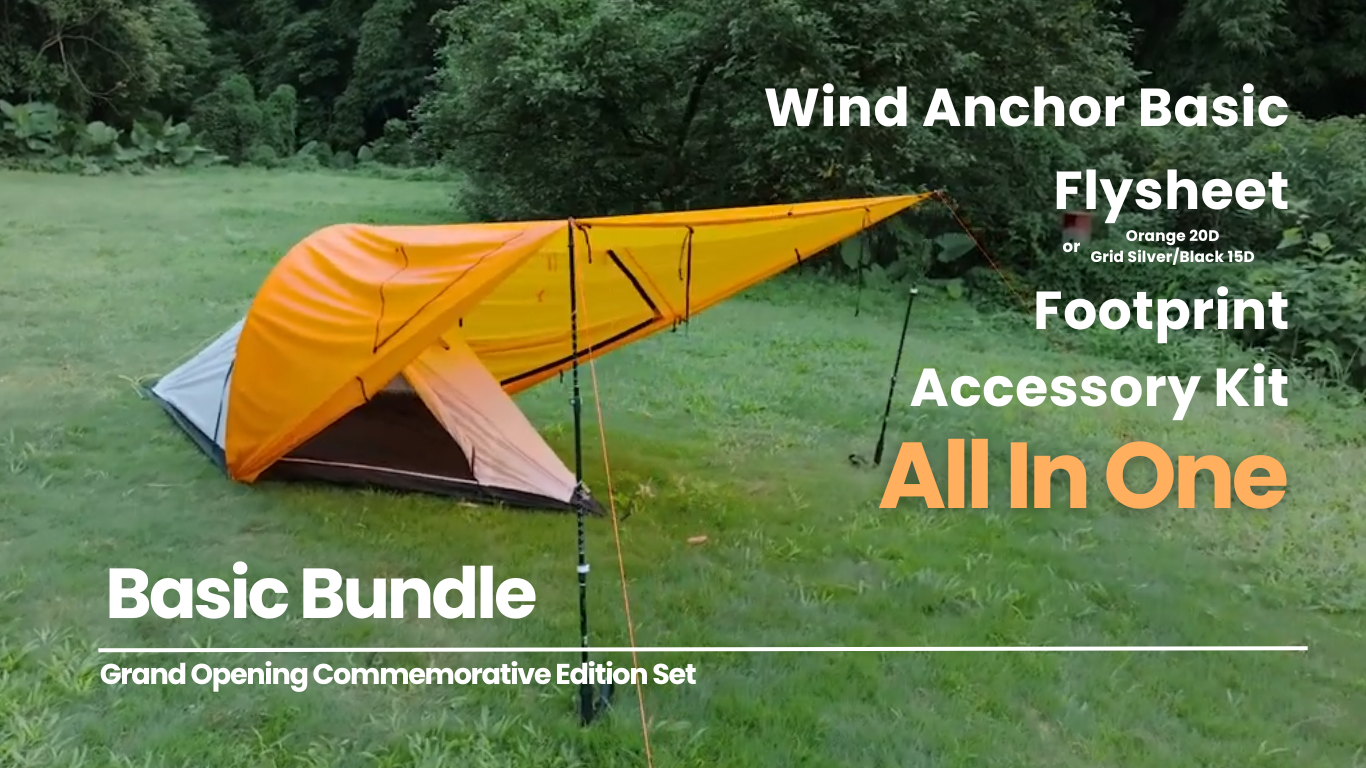 Selection checklist for fiscally minded buyers
Define the mission profile (distance per day, nights per season, group size). Set max acceptable grams per person and a packed-volume cap. Require material specs—minimum denier, seam-taped standard, pole alloy grade—and list acceptable warranty and repair pathways. Trial setup time under realistic conditions and assess condensation over two nights. Finally, calculate projected cost-per-night including likely repairs; reject options that look cheap up front but raise lifecycle cost above your threshold.
Concluding comparative synthesis
Choosing a compact hiking tent is an exercise in allocating constrained resources: weight, space, and budget. Compare specs quantitatively, prioritize the few features aligned to your operational use case, and avoid one-size-fits-all decisions. Practical buyers balance upfront cost against durability and repairability; operators value quick setup and predictable performance. For procurement and personal selection alike, the right balance is the point where performance meets acceptable lifecycle cost—an outcome reflected in THECATAL's product choices and specification transparency at THECATAL.